
 3x3 Speed Cubes
 2x2 Speed Cubes
 4x4 Speed Cubes
 Pyraminx Speed Cubes
 Megaminx Speed Cubes






















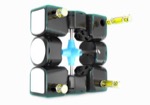

Noise, Corner Cutting, and Misalignment: Quick Q&A Fixes for Common Cube Issues

Noise, Corner Cutting, and Misalignment: Quick Q&A Fixes for Common Cube Issues
Anyone who spends time puzzling their way through a Rubik's cube (or similar twisty puzzle) runs into a trio of frustrations: annoying noise during turns, corner cutting that behaves unpredictably, and misalignment that throws off even a perfect solve. These issues aren't just annoying; they're often symptoms of small, fixable problems-tensions off, lubrication missing, or pieces not seated properly. In this post, you'll find concise Q&As with practical fixes you can apply at home. The goal is to give you fast, repeatable steps so you can get back to smooth turning, crisp alignment, and quiet operation.
Before you dive in, a quick note: different cubes-especially high-performance speed cubes from popular brands-have unique internals. The fixes below are general guidelines that work for most 3x3 and similar puzzles. If your cube is under warranty or uses special mechanisms (magnetic cores, limited-edition pieces, or proprietary screws), check the manufacturer's instructions first.
Q1: Why is my cube so noisy when I turn?
The sound of a cube turning can range from a light whisper to a loud creak. Noise is usually a sign that something isn't smoothly engaged. Common culprits include dry or gritty lubrication, uneven tension, and tiny misalignments that create friction as pieces slide across each other. In some cases, a squeak or pop can indicate burrs or rough edges after a drop or after grit has worked its way into the core area. Here are the quick fixes in order of how often they fix the problem:
- Clean and inspect the cube. Remove dust, lint, and old lube. Wipe with a microfiber cloth, then lightly re-lubricate. If you feel gritty resistance, disassemble and check for hairline burrs or chipped plastic that could be catching as you twist.
- Check tension and evenness. If the cube feels tight or binds unevenly, it will often creak. Make sure all screwsTurn evenly and the screw heads sit flush with the caps. Tighten or loosen in small steps (¼ to ½ turn at a time) and check after a few turns to feel for evenness.
- Lubricate correctly. Use a light silicone-based lube or a dedicated cube lubricant designed for your cube type. Apply sparingly-just a few drops on the core and pieces, then work it in by turning the entire cube through all faces many times.
- Break in gently. New cubes often feel stiff as the plastics settle. Give your cube a break-in period: a couple of hundred solves or a few hours of playtime with frequent turning to spread lubricants and smooth interfaces.
- Check for burrs or rough edges. After a drop or if you notice a particular edge catching, inspect the contact surfaces. If you find a rough spot, a tiny amount of very fine grit (or a professional edge deburring service) might be required, but proceed with care to avoid removing too much material.
- Inspect for center-caps and internal parts. If caps are loose or a center is mis-seated, it can create micro-impacts that generate noise during turns. Re-seat centers and caps so they sit flush.
Tip: If your cube uses magnets, sometimes a magnet misalignment or uneven magnetic force can produce a subtle rattle. If you notice a consistent notchy feel or audible clicking that isn't from normal turning, test with magnets disabled (if your model allows) or re-seat/replace magnets as needed.
Q2: What causes corner cutting to fail or feel "gritty"?
Corners cutting is the cube's ability to turn past the edge of one layer and still slide cleanly into position. When corner cutting behaves badly, it's typically due to friction, tension imbalance, or internal misalignment. Here are the most common causes and quick remedies:
- Tension not even across the cube. If one side is tighter than another, the cube can bind during corner cutting, especially in non-centered turns. Solution: Normalize tension-tighten or loosen all four edge pieces or all four corner pieces (depending on your model) to achieve uniform resistance. After adjusting, rotate the cube with several fast turns to re-check.
- Lubricant is too heavy or too old in some parts. Over-lubrication or gunk can create sticky patches that block smooth diagonal or edge-to-edge movement. Solution: Clean and re-lubricate with a light silicone-based lube. Focus on moving parts; avoid excess in the core where the pieces rotate rapidly.
- New or broken pieces causing interference. If a cubie's edge or corner is slightly out of spec, it can catch. This is more common after a drop or if a piece was mishandled during reassembly. Solution: Inspect and reseat all pieces carefully; ensure no piece is warped or cracked. If a piece seems out-of-spec, consider replacing it if possible.
- Center caps or edge caps misaligned. Caps that aren't flush can create tiny gaps that impede clean corner cuts. Solution: Re-seat or replace caps so that all contact surfaces sit evenly.
- Core alignment or misassembly. If the core is not centered or the screws aren't level, some layers can bind during turn. Solution: Carefully disassemble, re-center the core, and reassemble with even tension. This is the more involved fix and may require following your cube's disassembly instructions.
Pro tip: You can test corner cutting quickly by setting the cube on a table, lining up a corner, and attempting to turn a face at a shallow angle past 45 degrees. If the edge catches frequently or stalls, it's a sign you should recheck tension, caps, and lubrication. If the issue persists after these steps, consider a deeper clean or seeking a replacement piece if you suspect wear or damage beyond simple adjustment.
Q3: My cube keeps misaligning after turns-what gives?
Misalignment typically means the layers aren't returning precisely to their original alignment after a move. You might notice small gaps between layers or the cube doesn't sit perfectly square after turning. Causes and fixes include:
- Uneven force distribution during turns. If one layer is turning with more resistance or a different velocity, the other layers may not track back neatly. Solution: Recheck tension balance across all four edge pieces and ensure consistent, smooth turning on all faces. A little adjustment to equalize tension often resolves this quickly.
- Core or screw misalignment. A twisted or off-centered core can cause layers to drift. Solution: Dismantle and re-center the core. Make sure the internal springs are seated evenly, and that the core's cross screws aren't overtightened in one quadrant. After reassembly, rotate the cube through all axes to verify proper alignment.
- Center piece seating issues. If a center cap is protruding or a center piece isn't flush, it can throw off the alignment of neighboring layers. Solution: Re-seat centers, ensure caps sit flush, and test turning from multiple angles.
- Edge and corner cubies warping or catching. Prolonged use or rough handling can cause pieces to wear or deform slightly, especially along contact surfaces. Solution: Inspect edges and corners for burrs or uneven surfaces; if present, consider replacing damaged cubies or performing a controlled break-in to smooth interfaces.
Short protocol for stubborn misalignment:
- Disassemble carefully and inspect all pieces for damage or burrs.
- Center pieces should sit flush; re-seat if necessary.
- Re-center the core and ensure even spring tension around the entire core.
- Apply a light, even layer of silicone-based lube to contact surfaces, then rotate through all turns to distribute.
- Reassemble and test with a few practice solves, checking alignment after each long sequence of turns.
Q4: Should I disassemble my cube to fix these issues?
Disassembly is a powerful tool but comes with caveats. For many people, disassembling a modern speed cube improves performance and reduces noise or misalignment. However, there are risks:
- Warranty concerns. Some high-end models are not replaceable or might lose warranty if opened by users. Always check the manufacturer's policy before taking the cube apart.
- Lost parts or stripped screws. If you're not careful, small screws or caps can be dropped and lost, or you might strip screws in the process. Use the proper tools (usually a hex key or a small screwdriver) and work on a clean, soft surface.
- Reassembly errors. If the core isn't aligned or pieces aren't seated correctly on reassembly, you'll have immediate misalignment or worse. Take notes or photos during disassembly to help you remember the correct order.
Guidelines if you decide to disassemble:
- Power down and work on a clean, cushioned surface. Collect a small tray or magnetized mat for screws and small parts.
- Carefully remove caps and screws. Keep track of which screw goes where, as some cubes have different lengths or positions for certain screws.
- Inspect all pieces for burrs, chips, or warping. Clean off old lube and debris before reassembling.
- Reassemble gradually, starting with the core and one face, then the rest. Check alignment after each stage.
- Apply lubricant sparingly. Too much lube can cause more harm than good by attracting dust and creating gummy friction.
If you're unsure about a model's disassembly or you're dealing with a particularly expensive cube, consider asking the manufacturer's support or a local cube shop for guidance or professional servicing.
Q5: What kind of lubrication should I use, and how much?
Lubrication is the lifeblood of a smooth cube. The wrong lubricant or too much can turn a quiet cube into a noisy one or a fast cube into a sluggish clunker. Here's a practical, model-agnostic guide:
- Apply sparingly: For most three-by-three cubes, a few drops on the core and a small amount on the moving interfaces is enough. Spread it by turning the cube in all directions and letting it roll into the internal channels.
- Seasoning (optional): New cubes often need a break-in period. After initial lubrication, you'll want to turn the cube hundreds of times to distribute the lubricant evenly and smooth out any sticky patches.
- Frequency: In routine use, you'll re-lubricate only when the cube starts feeling dry or unusually noisy, or after you clean the cube and reassemble it. Don't over-lubricate because excess lube can attract dust and lock up the cube.
- Model-specific notes: Some cubes benefit from a light oil on internal pieces, while others are better with a slightly thicker lubricant on the core for longer-lasting glide. Follow your cube's guidance if a manual exists.
Common mistakes to avoid: applying lubricant directly to the stickers or onto the outer surfaces in excess; using multiple lubricant types at once; and mixing lubricants from different brands without checking compatibility. If in doubt, apply a conservative amount first and observe how the cube behaves through a few solves before adding more.
Q6: When should I replace parts rather than tune the cube?
Tuning and maintenance can fix many issues, but there comes a point when worn or damaged parts make a cube unreliable. Signs you might need to replace components include:
- Persistent catching or misalignment despite cleanings, lubrication, and re-tensioning.
- Visible wear on edges or corners that creates burrs or chipped surfaces affecting movement.
- Center caps or screws stripped to the point that they won't hold properly or center taps coming loose.
- Core or bearing failure-if you notice a wobble, slop, or slipping of a layer that never goes away with adjustments, parts may be failing.
When you should consider replacement parts:
- Edge or corner cubies show significant cracking or deformation.
- The core shows signs of wear that cause consistent misalignment or instability.
- Magnetic or stabilizing components break, making performance inconsistent or unsafe (e.g., magnets dislodged).
- A model's design has changed (new versions or updated parts) and you're experiencing issues that aren't resolvable by tuning.
In many cases, upgrading to a newer or better-supported model is worthwhile if you're a frequent solver and demand consistent performance. If you're attached to a particular cube, replacing worn cubies or upgrading internal pieces (where supported by the brand) can restore performance without a full replacement.
Q7: How can I tell if my cube is misaligned or just stiff from breaking in?
Distinguishing misalignment from breaking-in stiffness can be tricky but is doable with a few quick tests:
- Consistency across faces: If only a single face feels stiff or misaligned after a long sequence of turns, the issue is likely a local tension imbalance or wear on that set of pieces.
- Center flushness test: Check that all centers sit flush with the surface. If any center is raised or recessed by a millimeter or so, it can cause misalignment across layers.
- Disassembly check: If you feel a "slack" or wobble when you hold the cube in a fixed position, the core or tensions might be uneven.
- Turn pattern test: If misalignment appears only after fast turning or aggressive corner cutting, it is more likely tension or wear-related, not a core misalignment.
To resolve any observed misalignment while breaking in, a light re-tension and re-lubrication usually suffices. If misalignment persists after multiple cycles and even tension distribution, consider re-centering the core or reseating internal pieces as described earlier.
Q8: Are there any quick maintenance routines I can perform regularly?
Yes. A simple, repeatable routine can keep most cubes turning smoothly and quietly without needing to disassemble every week. Here's a practical routine you can adapt:
Inspect for any cracks or burrs; reseat centers; replace any worn pieces if you notice recurring misalignment or catching on multiple turns.
Pro tip: maintain a small toolkit (hex keys, a soft brush, microfiber cloth, and a bottle of silicone-based cube lube) so you're ready to tune as needed without hunting for tools every time.
Q9: How do I handle corner-cutting issues on a brand-new cube?
Brand-new cubes sometimes arrive tighter than expected or require a settling-in period. If your new cube shows poor corner cutting out of the box, try these steps:
- Move it around for a bit. A break-in period helps smoothed interfaces. Do several hundred turns in mixed patterns over a few sessions to loosen the mechanism.
- Clean and lube lightly. A fresh coat of lightweight silicone lube on the core and contact surfaces can reduce friction dramatically.
- Check tension evenly. Use the cube's tension system to bring all edges to the same feel. Don't over-tighten in an attempt to get immediate performance; evenness is more important than sheer speed at first.
- Check for manufacturing quirks. Some models have slight tolerances that improve with use. If corner cutting remains subpar after several break-in sessions, contact customer support or try a different sample if you have access to one.
With patience, most brand-new cubes settle into their intended performance envelope within a few sessions. If you expect peak performance immediately, you may want to start with a model known for a more forgiving out-of-the-box feel and then refine it as you go.
Q10: What general best practices can help prevent noise, misalignment, and corner-cutting issues?
Prevention is easier than correction. Here are some overarching best practices to keep your cube running smoothly for longer:
- Stan the cube properly after every session. If you've been solving aggressively, a quick turn to realign all layers can help prevent tiny misalignments from becoming a habit.
- Keep it clean and dry. Avoid moisture and dust as they slow turning and increase wear. If you're in a dusty environment, consider a quick wipe-down after intense sessions.
- Use the right lubricants. Choose silicone-based cube lube and apply sparingly. Avoid mixing different types of lubricants without verifying compatibility.
- Balance tension, then test. Make small, incremental adjustments and test after each change. Uniform tension across edges reduces the chances of binding and misalignment.
- Store properly. Keep your cube in a safe place away from extreme heat or cold, which can alter plastic properties and tension over time.
By combining careful cleaning, measured lubrication, even tension, and mindful handling, you can minimize noise, optimize corner cutting, and prevent misalignment across your daily solves.
Wrap-up: A Quick-Start Checklist for Your Next Fix
Before you dive into fixes, you can use this quick-start checklist to decide what to do first:
- Turn and listen: Is there noticeable noise that changes with direction or speed?
- Check tension: Are the screws evenly tensioned around the core?
- Inspect for visible wear or burrs: Any rough surfaces that could be catching?
- Clean and lube: If the cube has not been tuned in a while, a light clean followed by sparing lubrication often yields big improvements.
- Test with a few solves: After adjustments, solve through a few sequences to confirm improvement.
- Decide if disassembly is needed: If issues persist despite adjustments, consider careful disassembly for deeper inspection or seek professional help.
With the right approach, most cube issues-noise, corner cutting irregularities, and misalignment-are manageable at home. The key is to be methodical: make a small change, test, and note what changes. Over time, you'll develop a feel for how your cube responds to different lubricants, tensions, and piece seating. This intuition is priceless for any cube enthusiast who wants to optimize their rig for speed, accuracy, and quiet operation.
Final thoughts
No two cubes behave exactly the same, and even the same model can change with wear, humidity, and routine. The quick Q&A fixes above are designed to give you practical, repeatable steps you can apply in minutes to hours, depending on the issue. Patience and careful observation are your best tools. By maintaining consistent tension, clean interfaces, and measured lubrication, you'll keep your cube feeling like new and turning like a dream.
If you'd like, I can tailor these guidelines to your specific cube model. Tell me the brand and model, whether you're dealing with a 2x2, 3x3, or other puzzle, and any symptoms you're noticing. I can provide a model-specific maintenance plan and a step-by-step disassembly guide tailored to your cube's design.
LIKED THIS ARTICLE? SHARE IT: