
 3x3 Speed Cubes
 2x2 Speed Cubes
 4x4 Speed Cubes
 Pyraminx Speed Cubes
 Megaminx Speed Cubes











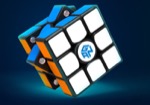

Inside the Speedcube Competitions: Formats, Tactics, Triumphs

Inside the Speedcube Competitions: Formats, Tactics, Triumphs
Speedcubing isn't just about turning plastic as fast as possible. It's a carefully choreographed blend of sport, science, and showmanship where competitors navigate a structured format, deploy study-tested tactics, and chase moments of triumph that feel almost cinematic on the competition floor. Whether you're new to the scene or a seasoned solver looking for a behind-the-scenes look, this guide peels back the curtain on what actually happens inside speedcube competitions, from the formats that shape the day to the tactics that turn good times into records, and the triumphs that keep the community buzzing year after year.
What is a speedcube competition?
In essence, a speedcube competition is a live event where cubers attempt to solve puzzles-most famously the 3x3x3 Rubik's Cube-faster than their opponents under strict rules and with an impartial judging process. The World Cube Association (WCA) governs the standard ruleset that most major competitions follow, though there can be regional nuances. Competitors face a lineup of events that test not only speed but adaptability: single-handed solves, blindfolded solves, and even multi-step tasks like the megaminx or Pyraminx demand different skills and mental maps.
Solves are timed with precision, scrambles are generated randomly, and judges ensure that each attempt adheres to the rules. The sound you hear when a solve finishes isn't just a timer going off-it's the sound of a puzzle clicking into place, of a plan finally paying off, and of the clock ticking toward a podium finish.
Competition formats: rounds, scores, and setups
Formats determine how a competition unfolds from morning to finish. They shape who advances, how many attempts a competitor gets, and how the final standings are decided. Here's a practical map of what formats typically look like in modern speedcube events.
Event lineup: a mix of speeds and styles
Most WCA events fall into a few broad categories:
- Classic speedsolving events: 3x3x3, 2x2x2, 4x4x4, 5x5x5, and larger puzzles like 6x6x6 or 7x7x7.
- One-handed and blindfolded variants that test dexterity or memorization under pressure.
- Megaminx, Pyraminx, Skewb, and other puzzles that require different turning styles and spatial strategies.
- Team formats: typically a relay-like or collaborative setup where groups of competitors work together toward a common goal.
Each event has its own norms for how time is tracked and how times are aggregated. The blur of color and plastic on display hides a careful statistical framework designed to separate consistency from the occasional burst of luck on a tricky scramble.
Rounds: qualification, semifinals, and finals
Competitions are built around rounds. A typical day will feature a schedule where each event runs through one or more of the following stages:
- Qualifying rounds: The bulk of participants compete, and a subset advances based on times and averages. These rounds aim to filter a large field down to a smaller group that can perform under higher pressure.
- Semi-finals: A more select field again aims to prove that they can handle both speed and accuracy under tighter constraints. The number of solves per competitor often stays the same, but the cut to the final grows stiffer.
- Finals: The crown jewel of the day. The fastest and most consistent solvers face off, and the crowd gets to witness the highest-intensity solves of the competition.
In some events, especially larger championships, the schedule can be grueling: several events running in parallel, short breaks to reset, and a rhythm that mirrors a tournament like tennis or track & field. The key is that each round maintains a consistent rule set-so the speed is as much about endurance and mental clarity as it is about turning speed.
Scoring: averages, bests, and tiebreakers
The way times are scored varies by event and round, but there are common threads:
- Averages: Most events rely on an average of multiple solves to determine the ranking. The standard approach is to take the mean of several attempts, often with rules about removing the best and worst times to avoid extremes skewing the result. In many 3x3 rounds, for example, the mean of five solves (with the top and bottom times discarded) becomes the event's score; other events may use the average of three or the best single time as a tiebreaker.
- Best single: Some formats consider the best single solve as a secondary metric or a tie-breaker. It's not the primary measure in most rounds, but it's highly valued for its own prestige and sometimes its role in breaking ties.
- Tiebreakers: If two competitors post the same average or best single, organizers often rely on secondary criteria like the fewest number of high (late-round) times, the best individual time, or the number of solves meeting a peak standard.
It's worth noting that the exact rules can vary by event and by competition, and organizers sometimes tailor formats to accommodate large fields or special themes. For newcomers, the takeaway is simple: speed and accuracy in rounds are graded by a consistent, rules-based metric designed to reward steady, clean solves over occasional flashes of brilliance.
Scrambles, inspection, and timekeeping
Scrambles refresh the challenge for every solve. A "scramble" is a sequence of moves generated by a computer and displayed to the cuber just before the start of each attempt. The solver gets a short inspection period (often around 15 seconds) to glance over the scramble, plan an approach, and then begin the solve when the timer starts. The clock stops the moment the puzzle is solved or when the solver commits a mistake or terminates the attempt.
Timekeeping is precise and uniformly applied. Modern competitions use electronic timers, with judges ensuring that the timing is fair and that any penalties or disqualifications are correctly applied. In some events, "DNF" (Did Not Finish) marks a solve that is outside the rules or fails to complete within the allowed constraints. Regardless of the event, the integrity of the timing process is central to the sport's credibility.
Penalties, disqualifications, and fairness
To maintain fairness, competitions enforce rules on turning style, disassembly, lubrication levels, and the use of legal moves. Violations-like using an illegal move, regripping during a solve, or manipulating the cube in a way that gives an unfair advantage-can carry penalties, including time penalties or DQ (disqualification) for the solve. In the grand scheme, penalties are rare, but when they occur, they're given serious weight because one bad solve can ruin a round or a title bid.
Event-specific quirks
Some events come with their own quirks. Blindfolded solving, for instance, demands memorization and recall under time pressure, followed by a long, silent execution without sight. One-handed events challenge finger dexterity and memorized algorithms performed with the non-dominant hand. Mega or odd-numbered puzzles like the Megaminx require different algorithmic inventories and tuning. While the core joy of competition remains the same-solving puzzles quickly and cleanly-the path to success differs from event to event, adding color and variety to the day.
Tactics: turning practice into podium-worthy performances
What separates good speedcubers from great ones isn't just raw turning speed; it's a blend of preparation, strategy, and in-venue decision-making. Here are key tactics that many champions rely on to convert hours of practice into consistent competition results.
Specialization and event selection
Top competitors often specialize in a handful of events to maximize consistency and push their personal bests. Some focus on 3x3 only, aiming to optimize the mean of five across rounds. Others build a diversified portfolio: a core of fast 3x3 results plus competitive performances in related puzzles like the 2x2, 4x4, and megaminx. The strategic choice involves weighing practice time, difficulty of the events, and how well a solver's mental map translates across puzzles. Specialization helps with rhythm, fatigue management, and a refined practice plan, which is crucial in multi-event championships.
Algorithm management and memory discipline
Algorithms aren't merely lists of moves; they're mental gear that a solver tunes for speed and reliability. The most successful competitors maintain a well-organized library of favorite algorithms, with well-practiced commutators and cases that flow quickly from memory to execution. In a live round, invoking the right algorithm at the right moment becomes a mental reflex. This requires both deliberate practice and on-the-spot adaptability: recognizing a scramble pattern that matches a known algorithm family and executing it with smooth finger tricks and low regrips.
Many top solvers maintain cheat sheets for warm-ups or quick-scramble review. The aim isn't to memorize the entire cube in the brain like a test solver; the aim is to have lean, fast mental hooks that trigger efficient algorithms without mental clutter. This discipline pays off in the high-pressure environment of a round when every moment counts.
Scramble analysis and pre-solve planning
In the moments during inspection, the best competitors perform a quick, practical scan of the scramble to identify the easiest first steps, potential cross transitions, and any edge cases that might complicate the solve. This is not about perfect anticipation-it's about efficient planning to minimize awkward transitions. Pre-solve planning reduces the cognitive load in solve time, allowing the solver to focus energy on flawless execution rather than constant strategic recalculation.
Rhythm, lookahead, and look-away tricks
Turn speed is vital, but so is lookahead-the ability to anticipate the next moves without pausing to search for them. Top speedcubers develop a rhythm that blends fast finger tricks with clean, continuous sequences. They also practice look-away techniques: by memorizing recognizable patterns, they can plan several moves ahead while their hands are still executing, reducing pauses that cost precious milliseconds. In competition, even a tiny pause can make the difference between a good solve and a near-miss.
Grip, ergonomics, and fault tolerance
Comfort matters. A well-tuned cube, properly lubricated and adjusted, can help minimize resistance and unintended pops. Competitors learn to adjust their grip to maintain speed without sacrificing control, especially during long-day events where hand fatigue could creep in. They also learn how to recover from mistakes-an unplanned turn, a misaligned edge, or a misread can derail a solve. The best in the game are adept at making quick, calm recoveries and continuing with momentum rather than conceding the rest of the solve to panic.
Momentum, routines, and competition psychology
Momentum is a real factor. A string of clean solves builds confidence, while a rough patch can erode it. Practicing a consistent pre-solve routine-warming hands, tuning the cube, setting a mental focus, and reviewing last round results-helps maintain composure. The psychology of competition matters: visualizing success, staying present in the solve, and not letting the scoreboard dictate pacing are subtle but powerful tools that separate medalists from the field.
Groove management for multi-event days
On a day with multiple events, stamina and energy management become tactical decisions. Competitors plan when to warm up, how to conserve fine motor control for late rounds, and when to pivot between puzzle types. A harmonized approach-one that treats the day as a marathon rather than a sprint-often yields better overall results than a single "burn it all" display in the first rounds.
Triumphs: stories from the floor
What makes speedcube competitions so magnetic isn't just the mechanics of solving. It's the human stories that unfold as friendly rivalries coalesce into lifelong memories. Triumphs come in many flavors: record-breaking breakthroughs, dramatic comebacks, and cultural moments that bring the community together. Here are some of the themes that define triumphs in this vibrant space.
Record-breaking breakthroughs
Over the years, records have fallen with astonishing regularity. A single solver can push the boundaries of speed and memory, carving new benchmarks that redraw what's considered possible. These moments are celebrated not only for the numbers but for the demonstration that dedication, methodical practice, and a belief in gradual improvement can yield awe-inspiring results. When a new benchmark is set, you see a ripple effect as others study the solve, adopt new techniques, and chase the next milestone.
Underdogs and "the next level" moments
Speedcubing is full of stories where an athlete from a smaller program or a less-favored event actually steals the show. The beauty of the sport lies in the surprise-solvers who arrive with a well-polished practice regimen, a clever tactical approach, and the nerve to trust their preparation in front of a crowd. Those moments-where focus eclipses nerves and the cube seems to click-are the heartbeat of the sport. They remind all participants that improvement is possible at any level with the right mindset and the right practice artifacts.
Legacy and mentorship
Triumphs aren't only about setting a record in a single day. They also emerge through mentorship and community-building. Veterans pass down tips about efficient algorithms, future champions mentor beginners in practice routines, and the scene grows healthier as knowledge travels through clubs, online forums, and local events. The lasting triumph is a more capable, more welcoming ecosystem that invites new people to try, fail, learn, and eventually thrive.
Moments of unity and community pride
Behind every podium finish is a community cheering for each other. The culture of speedcubing values respectful competition, shared learning, and the joy of solving. The most memorable triumphs aren't just the times on the clock but the connections formed: a hand-shake after a tense final, a congratulatory hug on a long flight home, or the thrill of meeting a hero who has inspired countless hours of practice.
A practical guide for newcomers: how to start and thrive
If you're new to speedcubing or wondering how to approach competitions, here's a practical plan to get you from "interested" to "in the mix."
1) Learn the basics and pick your events
Start with the classic 3x3x3 and build a solid CFOP or Roux (or another method you enjoy). As you grow confident, experiment with other events like 2x2x2 or 4x4x4. Don't feel compelled to master everything at once; depth over breadth is a reliable path to consistent improvement.
2) Build a sustainable practice routine
Consistency beats cramming. Create a weekly schedule that balances quantity and quality: deliberate practice, timed solves, and targeted drills (e.g., lookahead during certain cross patterns, or specific edge algorithms). Track your times, but also note what went right or wrong in each solve to guide future sessions.
3) Learn competition rules and formats
Familiarize yourself with the WCA rules and your local competition's specifics. Knowing the exact timing windows, inspection allowances, and penalty schemes will reduce anxiety and help you perform at your best when it matters most.
4) Practice under pressure
Simulate competition conditions: timed solves, a fixed scramble set, and a judging flow that mirrors a real event. The more you simulate the environment, the more naturally you'll perform on actual competition days.
5) Focus on consistency, then speed
While shaving milliseconds is exciting, the ultimate edge comes from consistency. A solve that is reliably clean and aligned with your best practice tends to outperform one perfect solve followed by several flubs.
6) Engage with the community
Attend local meets, join online cubing communities, and learn from others' approaches. The culture around speedcubing is collaborative; mentors, peers, and supporters will help you accelerate more quickly than you could alone.
Closing thoughts: the ongoing thrill of competition
Inside the speedcube competitions, formats shape the day, tactics shape the journey, and triumphs shape the culture. It is a world where relentless practice meets strategic thinking; where a single solve can redefine a career and a community can rally around a shared love of puzzles and motion. For spectators, it's a cinematic experience-the tension of the clock, the precise choreography of turns, and the jubilation of a solution perfectly executed. For competitors, it's a laboratory in which steady improvement compounds into extraordinary performance, time and again.
Whether you're stepping onto the competition floor for the first time or returning as a veteran with a new approach, remember that every cube has a story to tell. The formats provide the stage; tactics give you the script; triumphs crown the performance. And the best part? The next competition is always around the corner, with new scrambles, new rivals, and new opportunities to turn wisdom into speed and speed into joy.
Appendix: quick glossary for newcomers
To help orient yourself as you explore the world of speedcube competitions, here are a few essential terms you'll encounter:
- The fastest single solve time; used as a tie-breaker in some formats.
By understanding the formats, embracing practical tactics, and celebrating the triumphs-large and small-you'll find that inside speedcube competitions is a vibrant, welcoming world where dedication and creativity turn a simple twist of plastic into moments that endure in memory and community alike.
LIKED THIS ARTICLE? SHARE IT: