
 3x3 Speed Cubes
 2x2 Speed Cubes
 4x4 Speed Cubes
 Pyraminx Speed Cubes
 Megaminx Speed Cubes












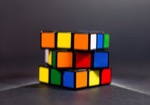
From Qualifiers to Finals: Mastering Speedcube Championships

From Qualifiers to Finals: Mastering Speedcube Championships
Speedcubing is a sport of precision, endurance, and nerves as sharp as the edges of a well-tuned cube. For many competitors, the journey from the first warm-up solve in qualifiers to the bright lights of the finals is the real thrill: a test of technique, strategy, and mental stamina under pressure. This guide takes you from the basics of how qualifiers work through the tactics that separate finalists from the rest of the field. Whether you're chasing your first national final or aiming to climb from regional qualifiers to a world-stage showdown, the path from qualifiers to finals is a blend of disciplined practice, smart competition strategy, and a calm, built-in competitive mindset.
Understanding the Structure: Qualifiers, Heats, and Finals
Most major speedcubing championships follow a structure that separates practice from peak performance: a series of qualifiers, sometimes followed by one or more rounds (heats) and, finally, the finals. The exact format can vary by event and by governing body, but several constants show up in most major competitions, especially those sanctioned by the World Cube Association (WCA):
- Qualifiers: These are the entry rounds where competitors are grouped into sessions. Each contestant completes a number of solves, and their times are recorded. The goal is to post fast times that place you high enough to advance to the next phase. In 3x3x3, qualifiers typically revolve around standard averages or best singles, depending on the rules for that event.
- Heats (if used): In some events, qualifiers seed you into heats with direct knock-on effects on the finals. The top performers advance from each heat to the finals, and margins for advancement can be tight.
- Finals: The best-of-the-best face off in the final round. Finals are where strategies tighten and nerves matter most. The format might be a single-best solve, an average of several solves, or a combination, depending on the rules for that event. Your performance here often defines your final standing and, in many cases, your personal best on the world stage.
One of the most common formats is the 3x3x3 event with an average of three solves (excluding the best and worst, in some formats) and/or a best single solve used as a tie-breaker. Other events-2x2x2, 4x4x4, Pyraminx, Megaminx, and blindfolded events-apply their own scoring rules, but the core idea remains the same: qualify with consistency, then excel in the tougher, higher-pressure stage.
Building the Right Mindset: Nerves, Focus, and Channeling Pressure
Athletic performance on the big stage is as much mental as it is physical. Qualifiers test your focus and consistency; finals test your ability to perform under the magnifying glass. Here are mental strategies that consistently help top competitors:
- Ritualize a pre-solve routine: Brief breathing, a visual cue (like a quick mental scan of the scramble), and a short warm-up routine can reduce hesitation between scrambles. A familiar rhythm helps minimize wobble when you're on the clock.
- Chunk the problem: In the first few seconds after inspecting a scramble, identify key anchors: the cross, potential F2L pairings, or any edge orientations that will influence your first few moves. This accelerates your internal solving plan before you actually turn the cube.
- Use a calm, neutral voice in your head: Even if you feel a jolt of adrenaline, a steady inner monologue-"I'm executing my plan"-can dampen negative self-talk and keep you on track.
- Acceptance of variance: In a sport where luck in scramble can feel decisive, accept that not every round will be perfect. The key is to maximize your advantage in the rounds that matter most-your finals-while maintaining solid averages in qualifiers.
Mastering the Physical Skill: Technique, Algorithms, and Adaptability
Speedcubing is built on a foundation of turning speed, accuracy, and the ability to translate a plan into fast, reliable moves. The best competitors don't just memorize algorithms; they internalize a flexible toolkit that lets them navigate varying scrambles with minimal hesitation. Here are the core pillars:
- Technique and look-ahead: Look ahead is the ability to plan several moves beyond the current move. It reduces pauses between steps and eliminates wasted cycles that slow you down in the middle of a solve. Drills that train look-ahead include solving with an emphasis on identifying F2L pairs and planning more than one step ahead for each pair.
- Finger tricks and ergonomics: The speed and consistency of your turns are shaped by finger tricks and how you position your hands on the cube. Practicing specific finger tricks for common situations-cross construction, efficient F2L, and smooth OLL/PLL sequences-can shave tenths and sometimes seconds off your time. Make sure your cube's tension and lubrication match your turning style and environment (e.g., warm venues, cooler venues, or humid conditions).
- Algorithm knowledge and adaptation: While CFOP remains the most popular method for 3x3, it's not the only path. Roux and ZZ have their own advantages, especially on certain scrambles that reduce regrips or parities. The key is to have a robust core of well-practiced, efficient algorithms and to know when to switch sequences mid-solve if the scramble demands it. Don't rely on memorized sequences alone; practice recognizing patterns that let you substitute faster moves.
- Cube maintenance: A wobbling cube, caught in a misalignment, can ruin a solve. Regularly check screw tension, clean bearings if needed, and ensure the lubing level matches your turning style. A well-tuned cube translates to fewer miscrambles and fewer pauses.
- Physical stamina: Finals can involve multiple solves in a short window. Arm, wrist, and finger endurance matter. Build it through steady practice over weeks or months, with deliberate rests and stretches to prevent repetitive strain injuries.
Beyond the mechanics, successful speedcubers cultivate a habit of deliberate practice: targeted drills, tracked progress, and scheduled rest. A well-crafted plan blends technique work with volume solving and periodic full-length simulations of competition days.
Qualifiers: Strategies to Maximize Your Time
Qualifiers are your chance to set the tone for the tournament. The top performers who advance typically do so by combining speed, accuracy, and efficient race-day management. Here are practical strategies for qualifiers:
- Simulate the day: In the weeks leading up to a competition, run full qualifier simulations. Time yourself, practice under the same constraints, and simulate the number of scrambles you'll see in a session. This helps you build a mental model of how to pace yourself and manage your breaks between rounds.
- Scramble analysis: Quickly assess each scramble for the easiest possible cross and the most efficient F2L plan. Don't overthink; aim for a fast, playable plan in the first 10-15 seconds, then execute.
- Accuracy in inspection: Use inspection time to identify a reliable plan, but avoid over-analyzing a scramble to the point of paralysis. The most successful qualifiers strike a balance: a clear plan, then a fluid implementation.
- Time management: If you're near the end of a session and your average is behind, you may choose to push for a fast single on a good scramble to improve your average. In some formats, winning out over the field means tighter control of your "average of 5" or "average of 3" scores rather than chasing every single fast time.
- Recovery from a bad solve: A stumble in one solve can derail your momentum. Develop a quick reset routine to reset your mood and technique after a poor attempt. Deep breaths, a slow reset, and a refreshed plan will keep you from spiraling.
- Tie-break awareness: Some formats rely on tie-breakers like the best single time, the number of sub-20 solves, or the fewest pauses. Know the rules for your event and how they affect your strategy in the qualifiers.
From Qualifiers to Finals: The Pathway
Progressing from qualifiers to finals often hinges on three things: seeding quality, steady performance, and peak execution when it matters most. Here's a practical map of how a typical path might unfold for a 3x3 event, with notes you can adapt to other events:
- Seeding and placement: Your qualification results seed you for subsequent rounds. Strong qualifiers can set you up with more favorable groups in finals or help you avoid early elimination due to a tight field. The goal is not only to be fast but to be consistently in the top tier across multiple rounds.
- Consistency over sprinting: While a standout fast solve in qualifiers can be heroic, finals demand consistent performance across multiple solves, often with higher pressure and stricter time limits. Training should balance high-speed drills with reliability work.
- Tightening the final routine: As you approach finals, you'll want to refine your plan into a precise, repeatable routine. This can involve optimizing your inspection decisions, standardizing your cross approach, and ensuring you can execute your go-to F2L sequences with minimal thought or hesitation under pressure.
- Tie-breakers and last-man standing: In some formats, tie-breakers after finals are resolved with additional plays or re-runs. Stay mentally prepared for extra attempts, and remember that an edge in technique can separate you in the final moments of a decision.
- Momentum management: Finals are more than the sum of its solves. A confident, steady pace, a clear mental map for each scramble, and a calm demeanor can translate into a few extra tenths per solve-enough to move from a podium position to a higher one.
What Happens In Finals: The Crown Moment
The final round is where champions are crowned and legends are remembered. This is a moment when practice meets opportunity, and the top contestants have to deliver under a new level of scrutiny. Here are the realities of finals and how to approach them:
- Distinct pressure: The arena hums with audience energy, cameras, and the knowledge that every move is being watched. Your routine should be tested under similar conditions in practice: simulate the pressure by solving in front of a friend or a timer in a mildly noisy environment to desensitize yourself.
- Short bursts of intensity: Finals often involve back-to-back solves with minimal breaks. Work on your stamina so you can stay sharp from the first to the last solve. A few seconds of tunnel vision can cost you dearly in the final standings.
- Peak performance window: Good finals performance depends on how well you have trained the smaller components: what you do during inspection, how efficiently you start after the scramble, and how fast you transition from cross to F2L. The most successful finalists execute their plan with a few small, well-timed improvements in each solve.
- Learned resilience: Even if your first few finals solves are not perfect, a calm approach to each successive attempt lets you salvage a promising overall score. A great finalist is often judged not by one brilliant solve but by how they recover after a stumble.
Training Plans: Building a Season-Long Program
A successful championship journey doesn't happen by chance; it's built through structured, progressive training. Here's a practical, season-long plan you can adapt to your own schedule and goals:
- Foundational phase (weeks 1-6): Establish solid turning speed, reliability in cross and F2L, and familiarity with your primary method (for most, CFOP). Focus on reducing average times by smoothing each phase of the solve-cross, F2L, OLL, PLL. Track your times in practice and identify common bottlenecks.
- Technique and drill phase (weeks 7-12): Start integrating targeted drills: cross optimization, F2L pair creation drills, and angle-based look-ahead practice. Introduce a few key algorithms for OLL and PLL and practice with variable scrambles to build adaptability. Include at least two long practice sessions per week that mimic competition length.
- Competition-simulation phase (weeks 13-16): Run full qualifier simulations, including inspection time and multiple solves back-to-back. Schedule these sessions on the same days you'd typically see a competition, including breaks and realistic noise levels to mimic the tournament environment. Use these sessions to test your mental routines and pacing.
- Taper and tune phase (weeks 17-20): In the final weeks, dial back the volume a bit to prevent burnout, but maintain a steady practice tempo. Fine-tune your cube settings, lubricant choices, and tension to suit your current turning style and the competition venue conditions. Focus on mental readiness and consistency.
Gear and Preparation: Equipment, Lubricants, and Setup
Having the right tools can shave precious seconds off your times and reduce fatigue during a long day of competition. Here are the essentials to optimize your performance:
- Your primary cube set: Most competitors rely on a few well-tuned speed cubes with consistent tension and reliable turning. Have a main that you're comfortable with and a backup ready in case of a mechanical issue.
- Lubricants and maintenance: A small amount of lubricant can dramatically improve smoothness and control. Carry a small bottle for quick top-ups, and learn basic maintenance routines like tightening screws and cleaning bearings.
- Tools for the day: A small toolbox with spare screws, a screwdriver, a brush for dust, and a soft cloth is useful. Bring a spare cube or two that you've tested and trust as backups.
- Contest-day essentials: A timer, spare batteries, a water bottle, snacks, a cushion for seating, and comfortable shoes help you stay sharp through long schedules. Don't forget your registration materials and a valid ID.
Competition Day: Logistics, Rituals, and Etiquette
On the day of competition, organization is as important as speed. A well-prepared competitor reduces stress and avoids avoidable mistakes. Consider these day-of considerations:
- Arrival and registration: Arrive early to account for check-ins, security, and venue navigation. Get your wristband, locate your queue area, and review the day's schedule so you know when your events are slated to run.
- Inspection and scrambles: Use the allotted inspection time to map out your plan for the scramble. Visualize your cross, anticipate tricky F2L pairings, and prepare two or three backup plans for edge cases.
- Queue management: In busy venues, queues for scrambles can be long. Use this time to review your mental routine, rehearse your plan out loud (quietly), and stay relaxed.
- In-solve etiquette: Keep your cube in good condition, avoid interrupting other players, and adhere to the competition's rules for timekeeping and scrambles. If you make a mistake, acknowledge it clearly and move on-don't dwell on a single misstep.
- Breaks and nutrition: Short, sustainable fuel helps you maintain focus. Snack in a way that won't cause spikes in your energy or distract you between solves. Hydration matters too, especially in long days.
Case Studies: Real Journeys on the Road to Finals
To illustrate how qualifiers-to-finals trajectories can unfold in real life, here are two anonymized stories inspired by typical competition paths:
- Case A: The Regional Breakthrough: A young competitor from a mid-sized city qualified for a national championship after months of disciplined practice. In qualifiers, they posted consistent averages right around their personal best, with a few fast singles that turned heads. In the finals, nerves initially shadowed their performance, but a well-honed routine and a few day-of adjustments allowed them to climb several spots, ending in a solid top-15 finish. They credited their growth to a structured practice plan, simulated competition days, and the mental routines that helped them stay present in the moment.
- Case B: The Veteran's Comeback: A seasoned competitor who had a stretch without podium finishes rebuilt their performance by embracing a hybrid CFOP-XX approach, focusing on look-ahead and re-evaluating their OLL/PLL selections to reduce pause time. In qualifiers, their consistency frustrated the rest of the field, and in the finals they delivered a series of clean solves, including a near-perfect set that propelled them into the finals' top positions. Their story highlights the value of flexibility and ongoing learning, even for experienced contenders.
Secret Weapons: Small Edges That Add Up
In high-level speedcubing, small advantages compound into meaningful gains. Here are some "secret weapons" that can push you from qualifier-level to finals-worthy performance:
- Scramble study time: Spending a few seconds scanning a scramble can unlock a more efficient first few moves. Practice this so you're not scrambling for the first 2-3 seconds-those seconds compound fast.
- Edge control in cross: The cross is a gateway to a fast solve. Reduce the number of re-grips by planning cross edges in parallel with a potential F2L pairing approach.
- F2L efficiency: Look for easy-to-spot F2L pairs and aim to reduce unnecessary insertions. A well-assembled F2L can save substantial time across multiple solves.
- OLL/PLL pairing: Learning a compact set of OLL and PLL sequences that work well with your cube and your hand size can shave crucial tenths across the event. Practice them in context, not in isolation, to ensure fluency.
- Mindful pauses: If you notice a bogged-down solve, use a controlled pause to re-evaluate and shorten the next set of moves rather than forcing a risky long sequence. Balanced pacing helps you protect your averages.
Community, Etiquette, and Growth
Speedcubing is as much a community sport as it is a personal pursuit. The vibe at competitions-from qualifiers to finals-reflects a culture of mutual respect, support, and shared love of the craft. Etiquette and community norms include:
- Respect for competitors, judges, and volunteers.
- Quiet, supportive behavior during solving times; avoid fanfare or disruption.
- Honest, transparent sharing of times and results; using official timers and live leaderboards.
- Constructive feedback and a willingness to learn from others, especially in practice spaces and open sessions.
- Responsible cube maintenance and environmental awareness, such as turning off devices where appropriate and respecting venue rules.
A Roadmap for Newcomers: Quick Start Plan
If you're new to championships and want to join qualifiers with a plan that stands a good chance of propelling you to the next round, consider this concise roadmap:
- First 4 weeks: Build a solid foundation on 3x3 with a dependable method (CFOP is a common starting point). Practice cross construction, F2L, and a small set of OLL/PLL algorithms. Track your best averages and keep a simple improvement log.
- Weeks 5-8: Introduce competition-day simulations. Solve under time pressure, simulate inspection, and practice pauses between solves. Start pairing your practice with a calm pre-solve routine.
- Weeks 9-12: Add endurance practice and tune your cube setup. Begin learning a secondary method as a fallback (Roux or ZZ) to improve adaptability if needed. Begin short, targeted drills for look-ahead and edge control.
- Weeks 13-16: Run full qualifier simulations weekly, review your results, and refine your routines for finals. Focus on mental strategies and recovery between solves.
- Finals preparation: In the weeks leading up to the event, dial in your gear, rehearse your day-of ritual, and maintain a sustainable practice cadence that preserves peak performance for finals.
Conclusion: Embrace the Journey from Qualifiers to Finals
Speedcube championships are not merely about who can twist the fastest seconds out of a cube; they're about the journey from careful practice to confident performance on the stage. Qualifiers set the tone and reveal your current ceiling, while finals reveal your refined craft and mental resilience. Mastery emerges when you combine solid technique with a steady, battle-tested mindset that keeps you calm, focused, and adaptable across a field of highly skilled competitors.
As you prepare for qualifiers, remember these pillars: deliberate practice that builds both speed and reliability, a training plan that scales with your goals, and the mental discipline to manage nerves and pressure on competition day. Learn from every round, celebrate your progress, and keep your eyes on the larger dream: joining the ranks of finalists who have learned to balance speed, accuracy, and composure under the bright lights. The road from qualifiers to finals is long and demanding, but with a clear plan, resilient practice, and a calm, strategic mindset, you can master the journey and make your mark in the world of speedcubing championships.
LIKED THIS ARTICLE? SHARE IT: